What Is a Digital Product? A Practical Definition for Creators

A successful digital product solves a specific customer problem through a useful digital format, with a clear promise, easy access, reliable delivery, and ongoing improvements based on customer feedback.

A 20-page workbook that gets opened once is not more helpful than a two-page checklist someone uses on Tuesday morning.
That is the tradeoff I want you to see before you record 37 course videos or design a giant bundle. A digital product is a useful thing a buyer can receive or access online. The format should fit the job, not your urge to make the offer look impressive.
An ebook can be a digital product. So can a template, an online course, a membership, software, an audio lesson, or access to a webinar. None of those formats automatically deserves a buyer’s time or money. The value comes from what the buyer can do after using it.
If you are making your first product, start with one clear job. Then choose the smallest format that helps someone do that job well.
What is a digital product?
A digital product is an asset created, delivered, and used or accessed in a digital format.
It might help someone learn, organize, create, decide, save time, or gain access to a tool or experience. It can be paid or free. “Digital” describes how it exists and reaches the buyer. It does not tell you its price or quality.
For example, Digistore24 describes digital products such as member areas and video courses, webinars, and software in its current setup guidance. Its product-type page also names courses, ebooks, and software among the categories sold through one account. Those are examples, not a required menu for your offer.
A public post is not necessarily a digital product. A helpful post may earn attention. A product has a more defined exchange: the buyer understands what it will help them do, gets access to it, and can use it for that purpose.
I care less about asking, “What kind of digital product should I make?” and more about asking, “What problem can I make easier?”
Common types of digital products
You do not need an endless list of ideas. You need enough options to match a format to the job.
Product type | What the buyer receives | Best fit when… |
|---|---|---|
Downloadable guide or checklist | A file with instructions, reference material, or steps | A file with instructions, reference material, or steps |
Template or toolkit | A reusable starting point | The buyer wants to save setup time |
Audio or video lesson | A demonstration, lesson, or walkthrough | It is easier to show or explain than read |
Course or member area | Structured lessons and, sometimes, continuing access | The outcome requires practice, sequence, or updates |
Software, license, or digital access | A tool, license key, or permission to use something | The product performs a defined task |
Webinar or online-event access | A scheduled or replayable online experience | Interaction or a timely session adds value |
- A checklist is not “less real” than a course. It may be far more useful when the buyer needs to prepare for a task without missing anything.
- A course is not better because it has more modules. If the result needs demonstration, practice, and feedback, a course may fit. If the result is “send a better client welcome email,” a well-built template and short usage guide may do the job faster.
Bigger formats usually take longer to outline, produce, update, and support. A short template may take less time to make, but it still needs clear instructions. A course asks more of you and the buyer, so it should earn that commitment through a result that needs sequence or practice.
I would rather see a small product that earns its place than a huge one that leaves the buyer wondering where to begin.
A digital product is different from a service and free content
These categories can work together. Separate them before you build.
Category | What it is | Example |
|---|---|---|
Digital product | A reusable deliverable or access path. The same core item can help more than one buyer without you recreating the whole thing live each time. | A budget spreadsheet, short video lesson, email-template set, or software license |
Service | Custom work for a client. The value comes from your ongoing labor and judgment. | Coaching, consulting, design, implementation, or done-for-you work |
Free content | Helpful public material that can build trust and help people find you. | A public video, email, or social post |
A photographer might sell a client-onboarding template and also offer one-to-one planning. The product makes a defined part of the process reusable. The service handles the custom work.
Free content becomes an offer when you package a clear outcome, explain access, and create a deliberate exchange.
The practical question is simple: can a buyer understand what they will get, use it without confusion, and make progress on a specific job?
Build a useful offer before choosing a format
A format is a container. Your buyer’s job should choose the container.
1. Name one buyer and one job
Start with a real situation you understand well enough to make less painful.
“People who want to be healthier” and “small business owners” are too broad. Try this instead:
I help new volunteer coordinators plan a school fundraiser without missing the steps that make the event run smoothly.
You do not need a giant market map to start. You need one buyer and one job.
2. Shrink the promise
Your first promise should be believable and usable.
“Build a thriving business” is too large. “Set up a simple client onboarding sequence” is a job a buyer can recognize. The narrower promise also tells you what not to include.
That restraint helps the buyer get a usable result sooner. It also helps you make the first version complete.
3. Match the format to the job
Make time, buyer attention, audience expectations, and delivery all matter. The buyer’s job comes first.
Buyer’s need | A sensible first format |
|---|---|
Follow a repeatable routine | Checklist or short guide |
Start from a proven structure | Template or toolkit |
Watch a skill happen | Short video lesson |
Practice in a sequence | Mini-course or member area |
Use a task-specific function | Software, license, or digital access |
Attend a focused session | Webinar or online event |
Imagine a freelance photographer who wants to help new clients arrive prepared. A welcome-email template, timeline, and packing checklist could be a useful product. It does not need to become a 40-lesson photography academy.
Or think about a home baker teaching a seasonal decorating technique. A short video lesson with a printable ingredient planner may be enough. The product earns value by making the next attempt easier.
Match the tool to the task. The simpler format might be the one your buyer actually uses.
4. Plan access before you promote
Before you put a buy button in front of a product, answer four plain questions:
Question | What you need to define |
|---|---|
What exactly does the buyer receive? | The file, lesson, login, license, event details, or other deliverable |
When do they receive it? | The timing after purchase or registration |
Where do they go to access it? | The download page, email, member area, or other path |
Who helps if access fails? | The support contact and the next step |
The access plan is part of the product. A beautiful template that arrives through a confusing path is not finished.
If you use Digistore24 for a downloadable file, its current Download Vault guidance says you create a file package and connect it to the product. After a successful purchase, the buyer can download those files on the Digistore24 order-confirmation page. That workflow requires the Digistore24 confirmation page to be used as the thank-you page.
That is one delivery option, not a requirement for every digital product. Digistore24 also describes digital products as deliverable through the Download Vault or direct file delivery, depending on how the product is configured. Test the exact buyer path you choose before you rely on it.
At Kids Activities Blog, I used a digital bonus to extend the value of a physical-book purchase. Readers who showed they had purchased 101 Kids Activities That Are the Bestest, Funnest Ever! received a downloadable six-month play guide. The book created the purchase moment. The digital guide gave readers another useful way to use it.
5. Collect the first useful signal
Once a real person uses the product, listen for practical friction.
Was the promise clear? Did they know what to do first? Did they finish with a result? What did they still need?
That feedback tells you where the next version should improve.
A digital product still needs a customer path
A digital product does not end when you export a PDF or record a video. A buyer needs a complete path.
Part of the path | What it needs to do |
|---|---|
Promise | The sales page or description says what the product helps with. |
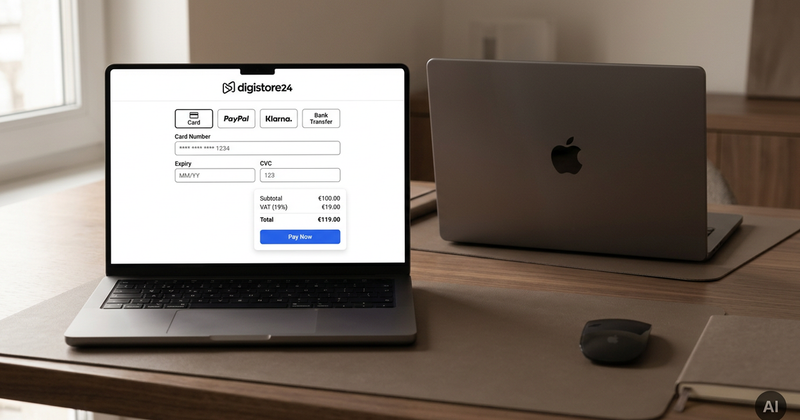
Payment | The buyer knows what they are purchasing and completes the transaction. |
Access | The buyer gets the file, login, license, event details, or clear next instruction. |
Follow-up | The buyer knows where to look for help, updates, or relevant next steps. |
A platform is not the product. Your clear promise and usable delivery are still the product experience.
If you update a downloadable product later, tell existing buyers how they can receive the new version. That is part of the access plan, too.
What a digital product is not
A digital product is not automatically passive income.
Delivery can be automated. Researching the buyer’s problem, writing or recording the material, updating it, answering support questions, explaining it clearly, and reaching the right buyers can still take work.
It is also not automatically profitable. A digital format makes repeatable delivery possible. It does not create demand by itself.
Build the offer with accurate descriptions, tested access instructions, and an appropriate plan for refund, policy, tax, consumer, privacy, and advertising responsibilities. Your requirements depend on where and how you operate.
Start with one complete, useful version
Start smaller than your ambition wants to start.
Line | Write this down |
|---|---|
Buyer | Who needs help? |
Job | What do they need to do or decide? |
Format | What is the smallest digital form that helps? |
Access | How will they receive it and know what to do next? |
Then make that version complete.
A creator with one useful, understandable product has something to learn from. A creator with twelve unfinished product ideas has a very busy notes app.
Frequently Asked Questions
Yes. An ebook is a digital product when it is delivered or accessed digitally and offers a defined use or outcome for the reader. Its value depends on whether it solves a real reader problem, not on its page count.
Yes. A course can be a digital product because the buyer receives digital lessons, resources, or access. A course fits when the result needs sequencing, demonstration, or practice. It is not required for every topic.
Not usually. A digital product is a reusable asset or access experience. A service depends on custom work you perform for an individual client. You can offer both, but they have different delivery and support needs.
Yes. “Digital product” describes its format and delivery, not whether you charge. A free resource can help you build trust or help a buyer take a first step. A paid offer needs an equally clear promise and access path.
No product format guarantees passive income. Digital delivery can be automated, but creating, improving, supporting, and promoting an offer still take work. Results depend on the buyer problem, offer quality, audience, channel, effort, and time.
It depends on the product and system. A buyer may receive a download, an email, a login, a license key, event information, or an order-confirmation-page link. Make the method clear before purchase and test the path yourself.
When you are ready to evaluate the selling and delivery side of a suitable offer, explore Digistore24 for Brands and check how the customer will receive your product.